
A Better, Measurable Use for Sugarcane Fiber
We replace fossil fuel plastics and tree-felled paper packaging with 100% upcycled agricultural byproduct. Honest, verifiable circular packaging without exaggerated environmental claims.
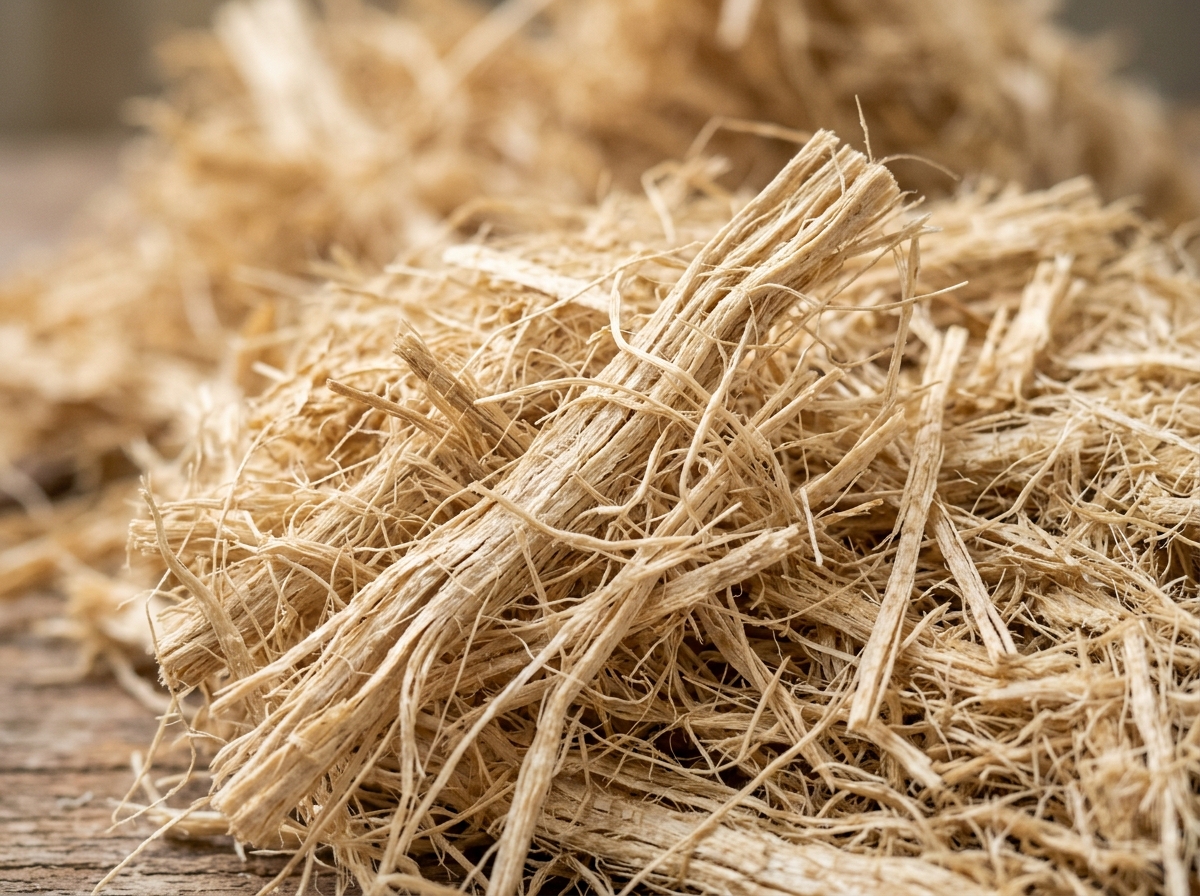
What Is Sugarcane Bagasse?
Bagasse is the dry fibrous pulp remaining after sugarcane stalks are crushed to extract juice during sugar refining. For every 10 metric tons of sugarcane processed, approximately 3 tons of wet bagasse residue is generated.
Instead of being burned inefficiently as low-grade boiler fuel—which releases carbon particulates and soot into local farming atmospheres—this cellulose-rich resource is reclaimed and transformed into high-density molded tableware.
Because sugarcane is an annually renewable crop with a 10 to 12 month growth cycle, bagasse represents an intrinsically circular packaging material that does not contribute to deforestation or petroleum depletion.
How Bagasse Compares to Traditional Packaging
Zero Tree Logging
Conventional paperboard requires felling mature timber forests with 20 to 50 year growth cycles. Bagasse uses 100% post-harvest agricultural residues without consuming a single tree.
Certified PFAS-Free Safe
Unlike older molded fiber manufacturing methods that used fluorinated chemicals for grease resistance, our export lines utilize certified fluorine-free barrier sizing complying with EU and US bans.
60 - 90 Day Composting
In commercial composting facilities adhering to EN 13432 and ASTM D6400 standards, bagasse tableware breaks down into organic soil nutrients without leaving microplastic pollutants.
Product & Upcycling Process Flow
Sugarcane → Sugar Mills → Bagasse Pulp → Biodegradable Tableware → Biodegradation → Compost in Landfill
Sugarcane
Fast-growing renewable sugarcane is naturally harvested from agricultural farmlands.
Sugar Mills
Stalks are processed in sugar mills to extract natural sweet juice, separating residual plant fiber.
Bagasse Pulp
Reclaimed fibrous residue is washed, refined, and converted into pure biodegradable slurry pulp.
Biodegradable Tableware
Thermo-molded under high heat and hydraulic pressure into durable, rigid plates, bowls, and containers.
Biodegradation
After use, the natural plant fiber tableware breaks down cleanly under natural ambient biological exposure.
Compost in Landfill
Naturally decomposes within 60 to 90 days into nutrient-rich organic compost, returning safely to the soil.
Sustainability & Safety FAQs
Sugarcane bagasse is the dry, fibrous residue left behind after sugarcane stalks are crushed to extract juice in sugar mills. Instead of being burned or discarded as agricultural waste, these renewable plant fibers are cleaned, refined, and thermo-molded into 100% biodegradable and compostable tableware, food containers, and packaging.
Incorporate Certified Compostable Bagasse into Your Portfolio
Receive comprehensive environmental technical datasheets, migration safety reports, and bulk container quotations.