How Bagasse Products Are Made: The Industrial Manufacturing Process

Summary Key Takeaways for Importers
- Refined hydraulic washing removes 100% of residual sugars and biological contaminants
- Thermo-compression dies operate at 200°C+ to achieve high density and smooth tactile finish
- Zero petrochemical wax or polyethylene laminates used during manufacturing
- Multi-stage quality checks: weight variance, thickness, oil holdout, and UV sanitization
The journey from raw sugarcane field to precision molded food container requires a clean, automated, and tightly monitored manufacturing process. Here is how Millenize Impex LLP engineers top-tier commercial tableware:
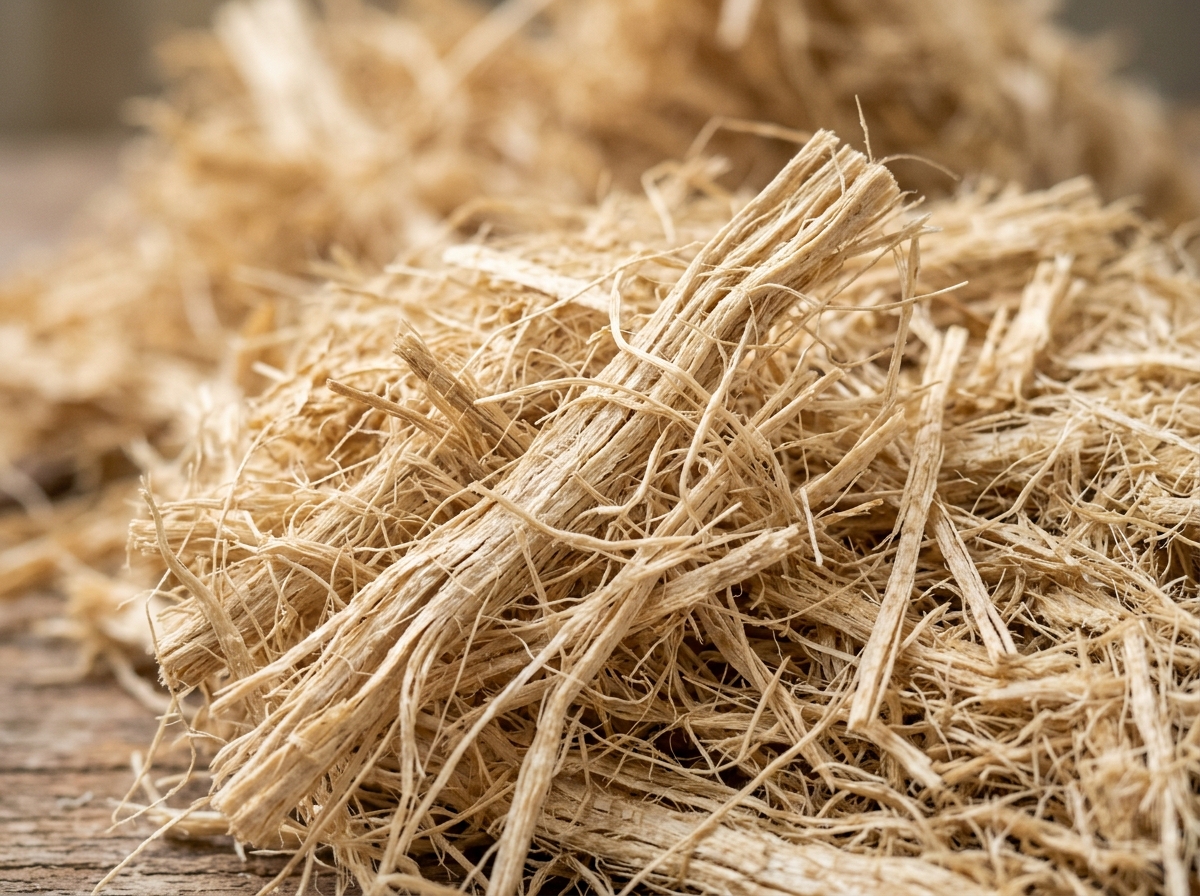
1. Fiber Refining & Hydrapulping: Reclaimed bagasse fibers are transported from sugar extraction plants to the pulp processing facility. Fibers undergo hydraulic washing, screening, and gentle mechanical refining to eliminate residual sugars, dirt, and short brittle fibers, leaving long, supple cellulose strands.
2. Pulp Slurry & Food-Safe Sizing: The refined fibers are suspended in water at an exact slurry consistency (approx. 1.2% fiber density). Certified food-grade water and grease barrier additives are blended in, ensuring the final tableware resists boiling soups up to 100°C and hot cooking oils up to 120°C without plastic coatings.
3. Vacuum Forming & Thermo-molding: Automated forming molds dip into the slurry while vacuum pumps draw water through fine stainless steel mesh screens, forming a dense, wet pre-form fiber cake adhering to the mold geometry.
4. High-Pressure Hot Pressing & Trimming: The pre-formed product is transferred into precision CNC-machined heated metal dies. Under intense hydraulic pressure (up to 15-20 MPa) and high temperatures (180°C - 220°C), residual moisture is flash-evaporated, consolidating the fiber matrix into a smooth, rigid, and dense final product. Edge trimming lasers or mechanical dies trim rims with sub-millimeter precision.
5. Disinfection, Inspection & Export Packaging: Products pass beneath ultraviolet (UV) germicidal sterilization lamps, followed by automated optical defect inspection and metal detection. Approved units are shrink-wrapped in moisture-barrier sleeves and packed into reinforced corrugated master cartons ready for ocean shipping.