What Is Sugarcane Bagasse? A Complete Guide to Upcycled Plant Fiber
Summary Key Takeaways for Importers
- Bagasse is 100% upcycled agricultural byproduct from the sugar production industry
- Annually renewable harvest cycle: matures in 10-12 months without deforestation
- Commercially compostable within 60-90 days, closing the biological nutrient loop
- Dense plant fiber matrix provides natural oil and water resistance without plastic lining
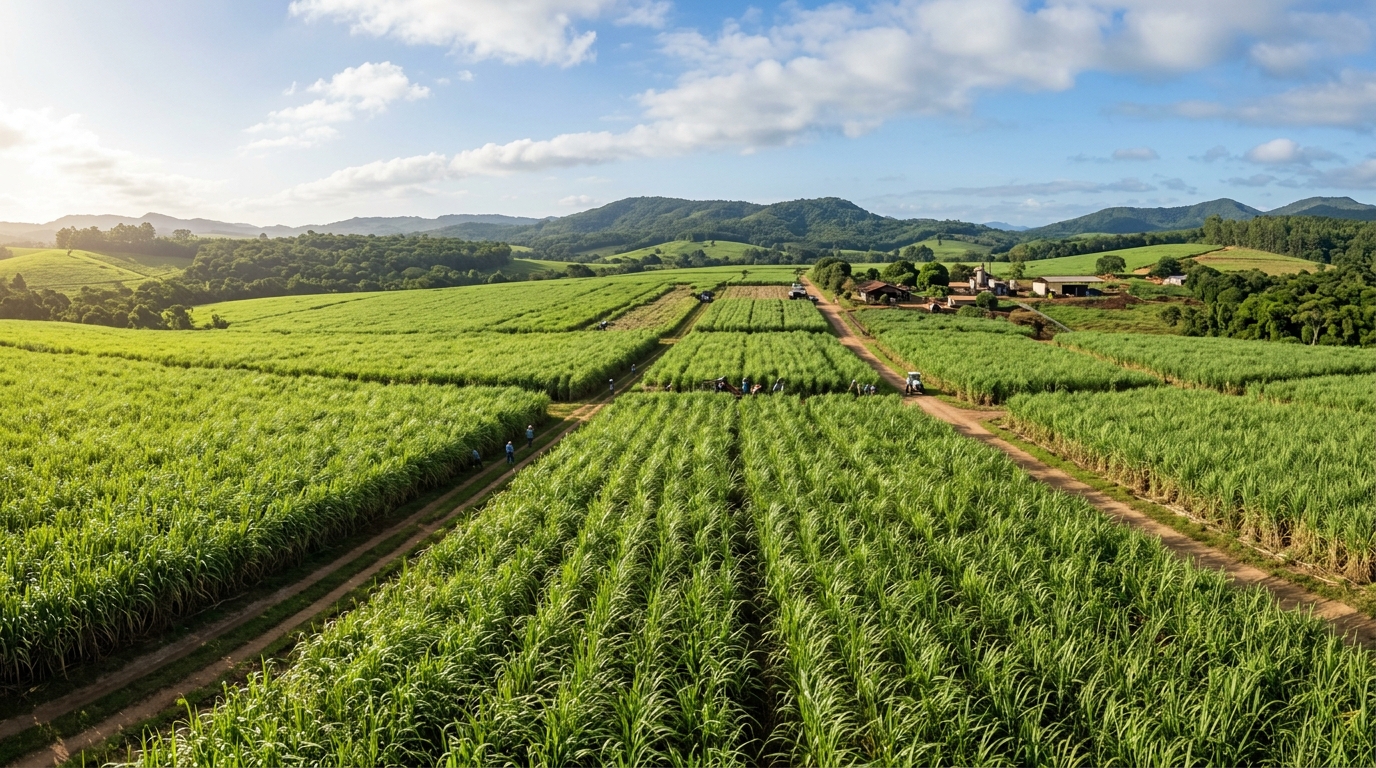
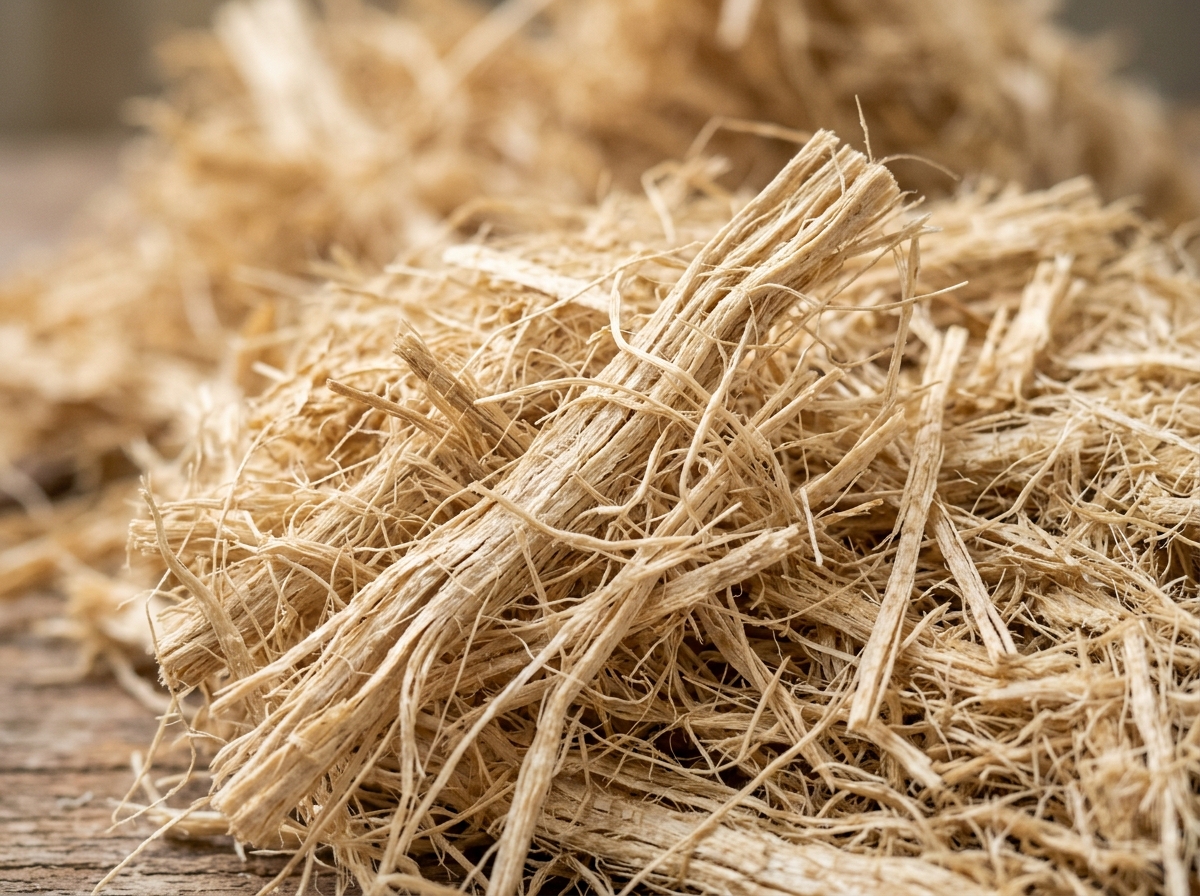
Sugarcane bagasse is the dry, pulpy fibrous material that remains after crushing sugarcane stalks for juice extraction in sugar mills. For decades, much of this abundant agricultural residue was either burned as low-efficiency boiler fuel or discarded, causing particulate emissions and air pollution.
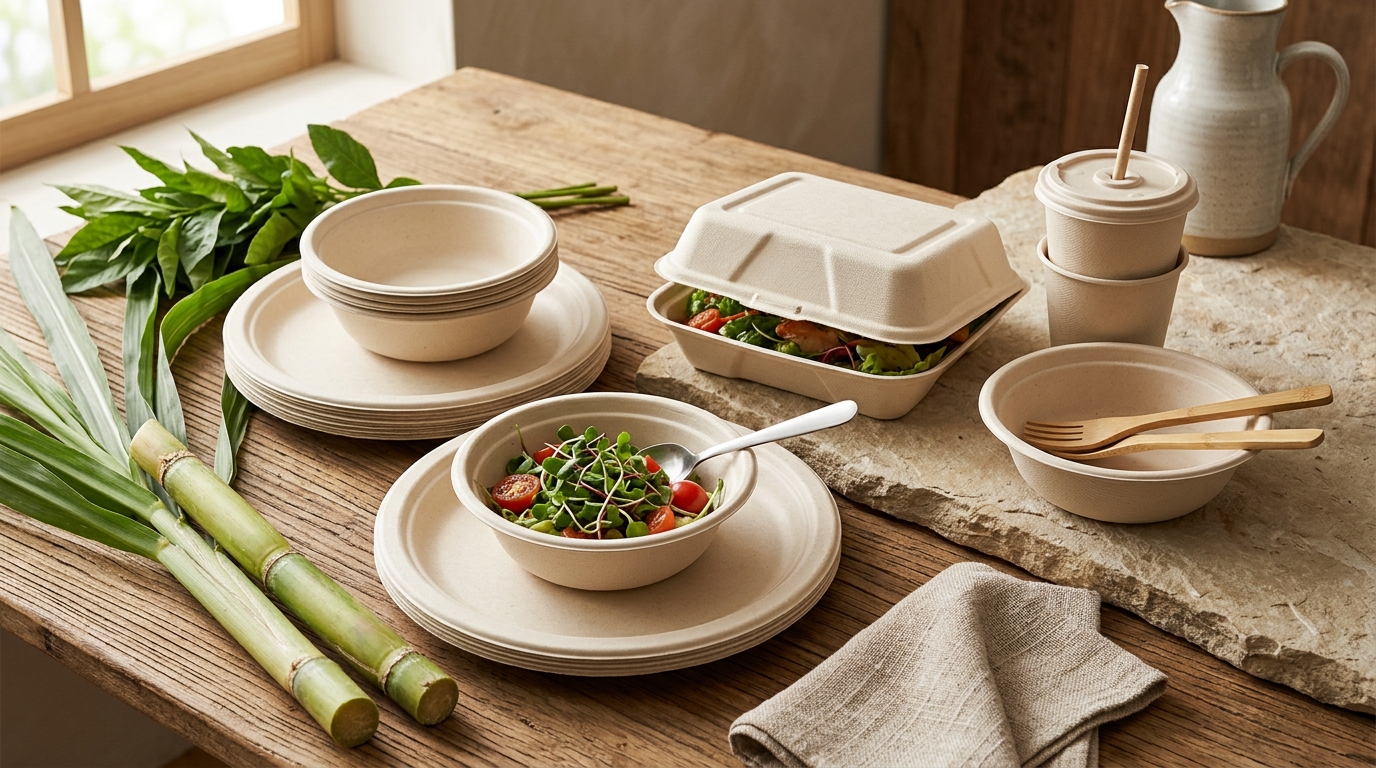
Today, advanced mechanical pulping and high-pressure thermoforming technology allow us to reclaim this renewable agricultural byproduct and convert it into rigid, elegant, and food-safe molded tableware. Because sugarcane is an annually renewable crop that matures in just 10 to 12 months, bagasse represents one of the most circular raw materials available to commercial packaging manufacturers.
Unlike conventional paper packaging, which relies on felling timber and consuming significant tree forestry, bagasse utilizes 100% post-harvest residues without requiring a single tree to be cut. In addition, its natural lignocellulosic matrix gives it superior rigidity, grease resistance, and thermal insulation compared to standard recycled paperboards.
When end consumers dispose of bagasse tableware, the natural cellulose fibers break down completely in commercial composting environments within 60 to 90 days, returning organic matter to the soil without leaving toxic microplastics or synthetic chemical residues.